
Most Colorado home buyers do one of two things: they call their bank because it feels safe and familiar, or they Google "mortgage broker near me" without fully understanding the difference. The distinction matters — sometimes significantly — and the answer isn't always the same for every buyer. Here's the honest version, from an independent broker who would tell you to use your bank if that were genuinely the right call.
How Each Works
A bank lends its own money and offers its own products. When you apply at Wells Fargo, Chase, or your local community bank, you get one set of rates, one set of products, and one underwriting system. The loan officer you work with is an employee of that institution — their job is to close loans that fit their employer's guidelines, not to shop the market for your best outcome.
An independent mortgage broker doesn't lend money directly. We submit your application to multiple wholesale lenders — we work with 40+ — and those lenders compete for your loan. The broker's job is to find the lender whose product, rate, and guidelines fit your specific situation best. The compensation structure differs too: brokers are paid by the lender at closing (lender-paid compensation), so in most transactions there's no additional cost to you for using a broker over a bank.
Where Brokers Win
Rate access. Wholesale mortgage rates — the rates available through brokers — are consistently lower than retail bank rates because wholesale lenders don't carry the overhead of retail branches, marketing, and direct consumer operations. The rate you get through an independent broker accessing wholesale pricing is typically 0.25%–0.5% lower than what a retail bank offers for the same loan. On a $500,000 Colorado mountain market mortgage, 0.375% in rate is roughly $94/month or $33,840 over 30 years.
Non-standard situations. Banks want clean, conforming, box-checking loans. Self-employed buyers, bank statement borrowers, DSCR investors, rural property buyers, jumbo buyers — these don't always fit a bank's underwriting appetite. An independent broker can place those loans with the specific lender whose guidelines are built for that borrower type. Your bank will often decline a bank statement loan; we have eight lenders who specialize in them.
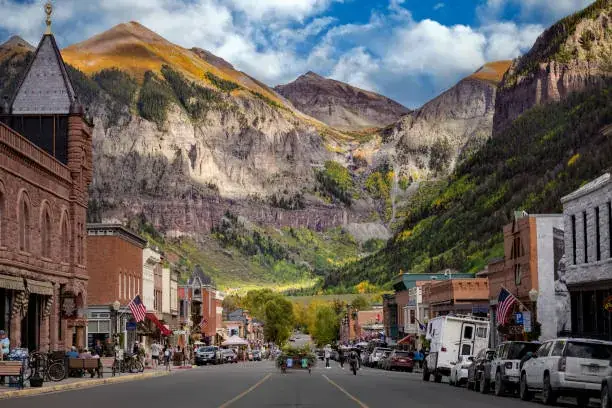
Mountain market expertise. A Chase loan officer in Denver hasn't done a USDA loan for a Dolores property or a DSCR loan for a Telluride ski condo. Specialization matters in Colorado's diverse market landscape.
Where Banks Can Win
Existing relationship leverage. If you have significant assets deposited with a private bank or regional bank — and those assets generate a genuine relationship pricing discount on your mortgage — that can offset the wholesale rate advantage a broker offers. This applies to a small percentage of buyers. Portfolio lending. Some purchases — very rural properties, unique structures, non-warrantable condos — don't conform to any Fannie/Freddie guideline. A portfolio lender (often a local bank or credit union) holds the loan on their own books and sets their own rules. For those specific situations, a local bank may have the right product. Construction lending. Local banks and credit unions often have more flexible construction-to-permanent loan programs than what's available through wholesale channels.
Frequently Asked Questions
Is a mortgage broker paid more if they give me a worse rate?
This was historically a real concern and is the reason regulations exist. Under current federal rules (the Loan Originator Compensation Rule), broker compensation is disclosed on your Loan Estimate and cannot be tied to the rate you receive — meaning a broker can't earn more by giving you a higher rate. Our compensation is fixed and disclosed. We have no incentive to steer you toward a worse outcome.
Will using a broker slow down my closing?
No — and often the opposite. Wholesale lenders who work exclusively with brokers typically have faster underwriting turnaround than retail bank operations because their entire business is serving the broker channel efficiently. We routinely close in 21-30 days in Colorado's mountain markets.
My bank says they can match any rate I find. Should I believe them?
Sometimes. Rate matching is possible when a bank has pricing flexibility — but they're matching from a retail cost structure. Ask them to provide a Loan Estimate (legally required within 3 days of application) and compare it line by line against what we offer. The APR and total closing costs tell the complete story; the headline rate alone doesn't.
Does being a local Colorado broker matter?
For Western Slope and mountain market buyers — yes, meaningfully. We know which lenders accept rural property types, which appraisers cover San Juan County, how to structure a DSCR for a Telluride vacation rental, and how to navigate USDA in Delta County. A national broker or retail bank processes these as exceptions; we process them as standard business.