Colorado's ski and mountain towns are among the highest-grossing short-term rental markets in the country. DSCR loans — qualifying on the property's rental income instead of your personal income — are the primary financing tool for STR investors in Colorado.
HOW DSCR LOANS WORK FOR COLORADO STRs
Traditional investment property loans require two years of tax returns, W-2s, and include your rental income only after it appears on your Schedule E. This creates a catch-22: you can't qualify for the loan because you don't yet have the rental income history.
DSCR loans solve this by using market-rate rental projections (from AirDNA, a professional appraiser's rent survey, or your existing operating history) as the qualifying income. If the property's projected monthly rental income covers the mortgage payment, you qualify.
DSCR = Monthly Rental Income ÷ Monthly PITI Most lenders require DSCR ≥ 1.0
Top Colorado Str Markets for Dscr Loans
- Breckenridge / Summit County (conforming $1,092,500)
- Steamboat Springs / Routt County (conforming $1,089,050)
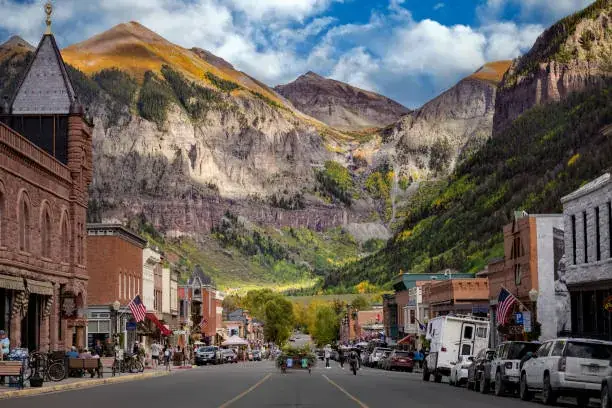
- Telluride / San Miguel County (conforming $994,750)
- Vail / Eagle County (conforming $1,249,125)
- Aspen / Snowmass / Pitkin County (conforming $1,209,750)
- Crested Butte / Gunnison County (conforming $832,750)
- Durango / La Plata County (conforming $832,750)
- Winter Park / Grand County (conforming $883,200)
- Pagosa Springs / Archuleta County (conforming $832,750)
Str Permit Requirements By Market
Every Colorado mountain jurisdiction has its own STR licensing rules. Some (Breckenridge, Telluride) have permit caps. Others (rural county areas) are more permissive. Always verify permit availability for the specific address before writing an offer. We include this check in every Colorado STR deal.
TYPICAL DSCR REQUIREMENTS • Down payment: 20–25% standard; 25–30% in resort/luxury markets • Credit score: 680–720+ • Can close in LLC • No personal income documentation • AirDNA or 12-month operating history for income